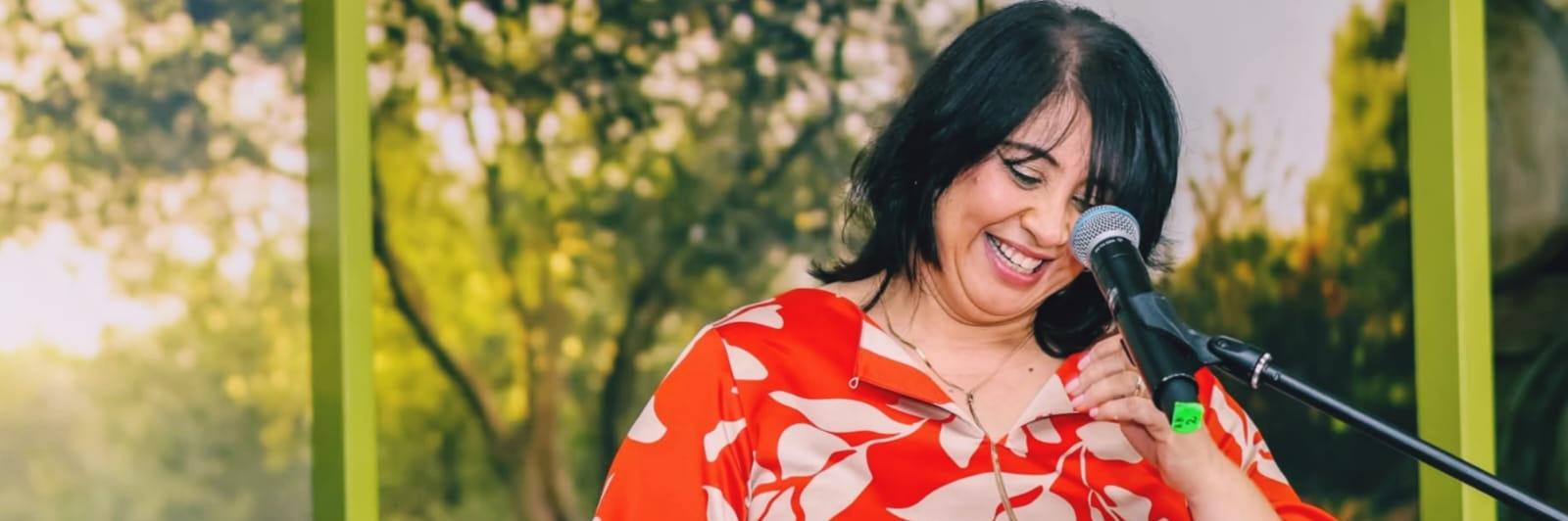


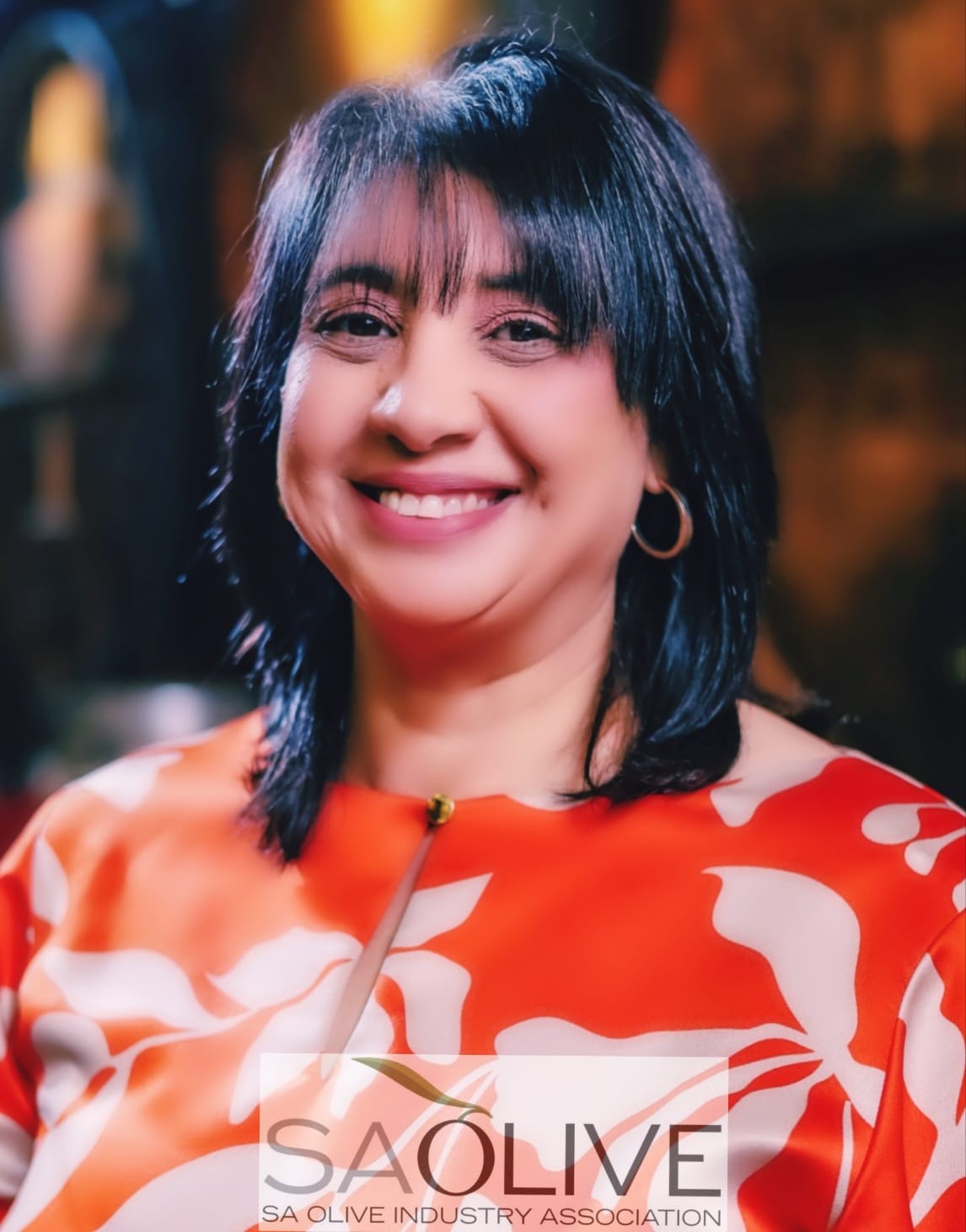
She is also the current Chief Executive Officer of SA Olive. SA Olive is the olive industry association, established in its current form in 2008. It represents growers, producers, importers and related businesses while promoting quality standards, industry development, research, advocacy and consumer confidence.
I met up with Wendy at her office in Muldersvlei, between Stellenbosch and Paarl to find out more about her inspirational journey - from being born in Ida’s Valley and then moving to Paarl in the 70’s.
Her position at the helm of the olive industry is a far cry from her childhood with her two siblings, her plumber dad and factory worker mom. “We struggled like most people in Paarl, and my dad had to work away from the Western Cape to make ends meet. But having said that, my childhood was a happy one and my dad certainly instilled some of the qualities in me that have underpinned my career. He won several Plumber of the Year titles in the Western Cape during his career, and while I did not really understand it at the time, it certainly resonates with me now in terms of goal setting and achievements,” says Wendy with pride.
“So, where do the dolphins come in?” I ask. She laughs. “I find the ocean fascinating for so many reasons, not least of which is its ability to regenerate itself. When my batteries are low, a walk on the beach or spending some time close to the sea restores my energy balance very quickly.”
Wendy says she initially wanted to be a marine biologist, but “when I had to dissect a frog, to dink ek twee keur oor daai besluit.” “I eventually enrolled for a diploma in Food Technology at Pen Tech (now CPUT – Cape Peninsula University of Technology).”
Wendy had to commute the roughly 2 hour train round trip to Bellville daily, sometimes getting home way after dark. “I want to tell young women and men reading this that I actually struggled with a few subjects and, I wasn’t necessarily the brightest spark in the class, but I never gave up. In my second year an opportunity came my way to obtain a bursary at a company in the wine industry. I went for the interview for the bursary but came out of it with a job as a Quality Specialist.”
Wendy speaks with palpable passion as she recalls those days. “I never took lunch. I was surrounded by elderly white guys who knew everything about the wine industry and they were only too happy to share their wisdom with me, and I was like an insatiable sponge, absorbing everything and wanting more.”
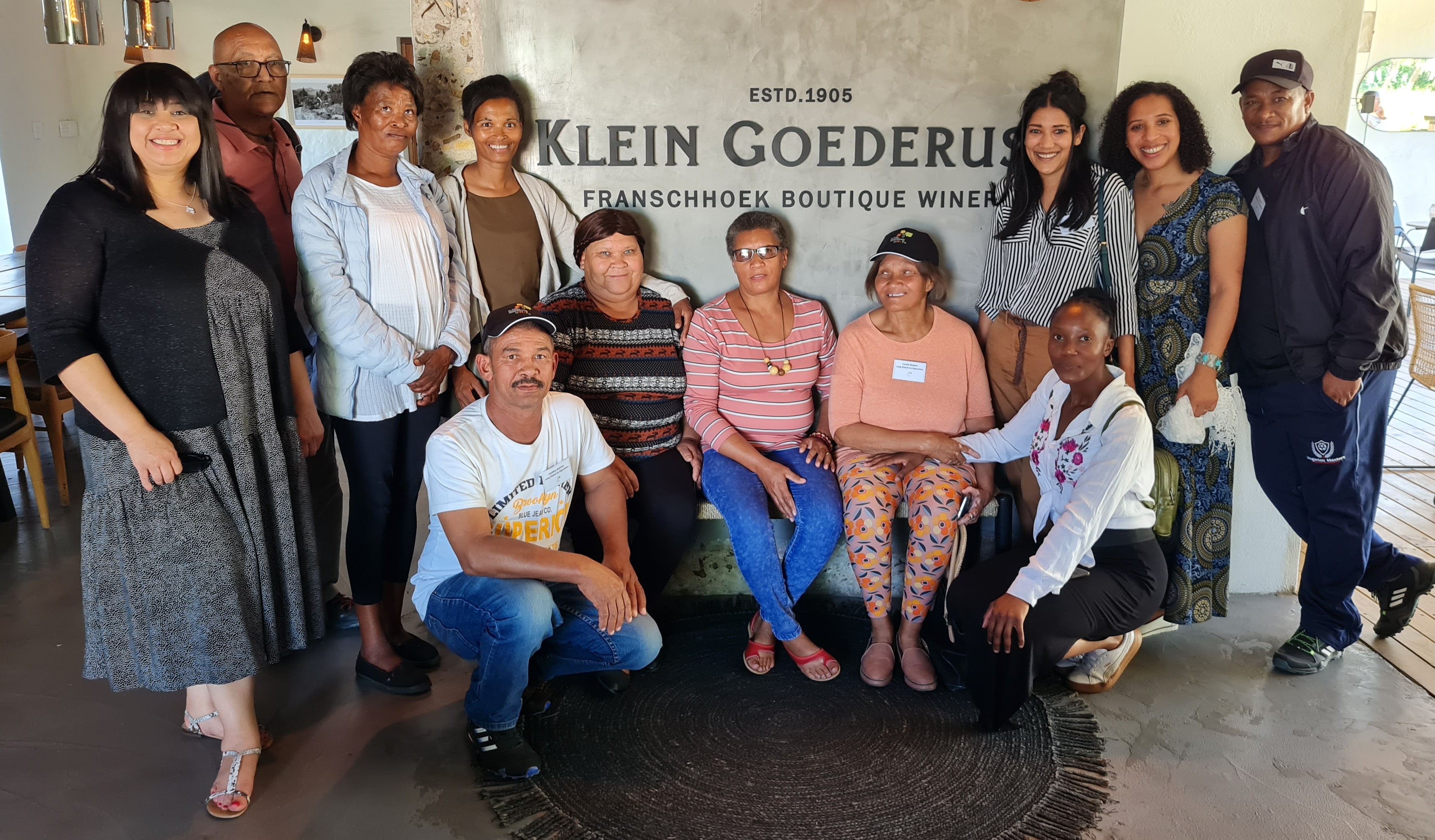
“The Quality Specialist job was very routine and I often found myself wandering off to spend time with the wine-maker or the blender to learn about the various aspects of their work. We often discussed problem solving and new approaches. I remember two lovely older gentlemen, oom Hannes van Vuuren and oom Martin, who were both in their 60’s at the time, and they welcomed my inquisitive nature. They literally took me under their wing, and while I had no formal experience on things like fermentation or blending, these guys taught me the ropes which laid the foundation for my career in the wine and spirit industry.”
From there, Wendy went on to build an exceptional career spanning more than three decades in South African agriculture and the broader food and beverage sector, rising from those beginnings with oom Martin and oom Hannes in the wine industry in 1993 to where she is today. Throughout her journey she progressed through increasingly senior innovation, product development and leadership roles at organizations including Stellenbosch Winery, KWV, DGB, Distell, Wines of South Africa and the South African Wine Industry Transformation Unit (SAWITU), where she championed product development and innovation, transformation, market access and business development initiatives for emerging and black-owned wine enterprises and some of the well-known brands on the international and local shelves.
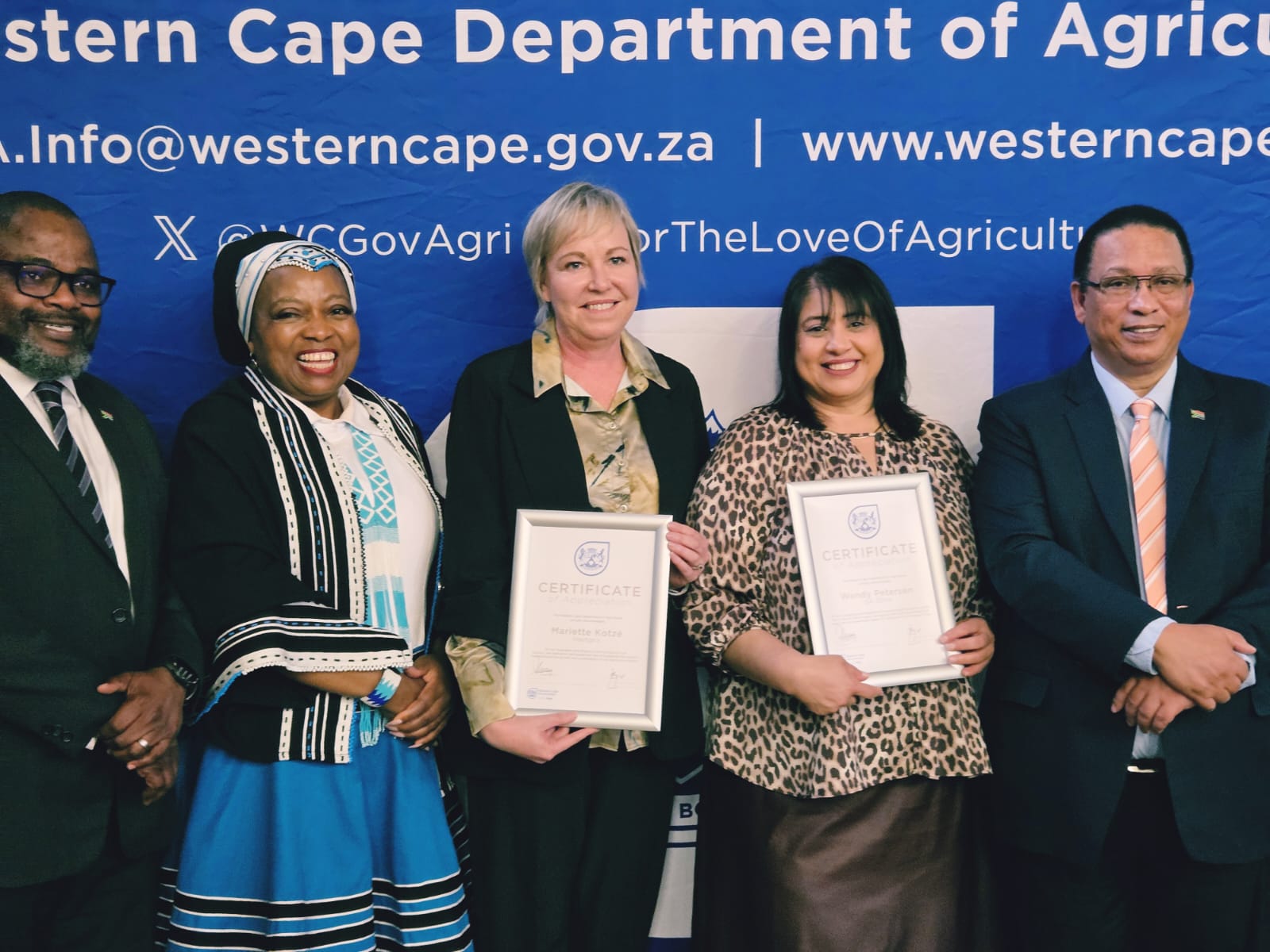
Her technical expertise contributed to the development of some of South Africa’s best-known beverage brands, while her strategic vision helped establish platforms such as The Wine Arc, promoting black-owned wine brands in local and international markets. Recognized for her leadership by the Western Cape Department of Agriculture, she is widely regarded as a pioneering woman in agriculture whose career has combined innovation, transformation, mentorship and industry development.
Listening to Wendy sharing the highlights of how her career opportunities came about, a clear pattern emerges where her enthusiasm and passion was noticed and she was presented with an opportunity, which she took and made it her own. “Many times, someone would say to me, you should apply for this, or have you seen that position is being advertised, or I think you would be good at this, and me being me, would always think, let’s do this,” she laughs.
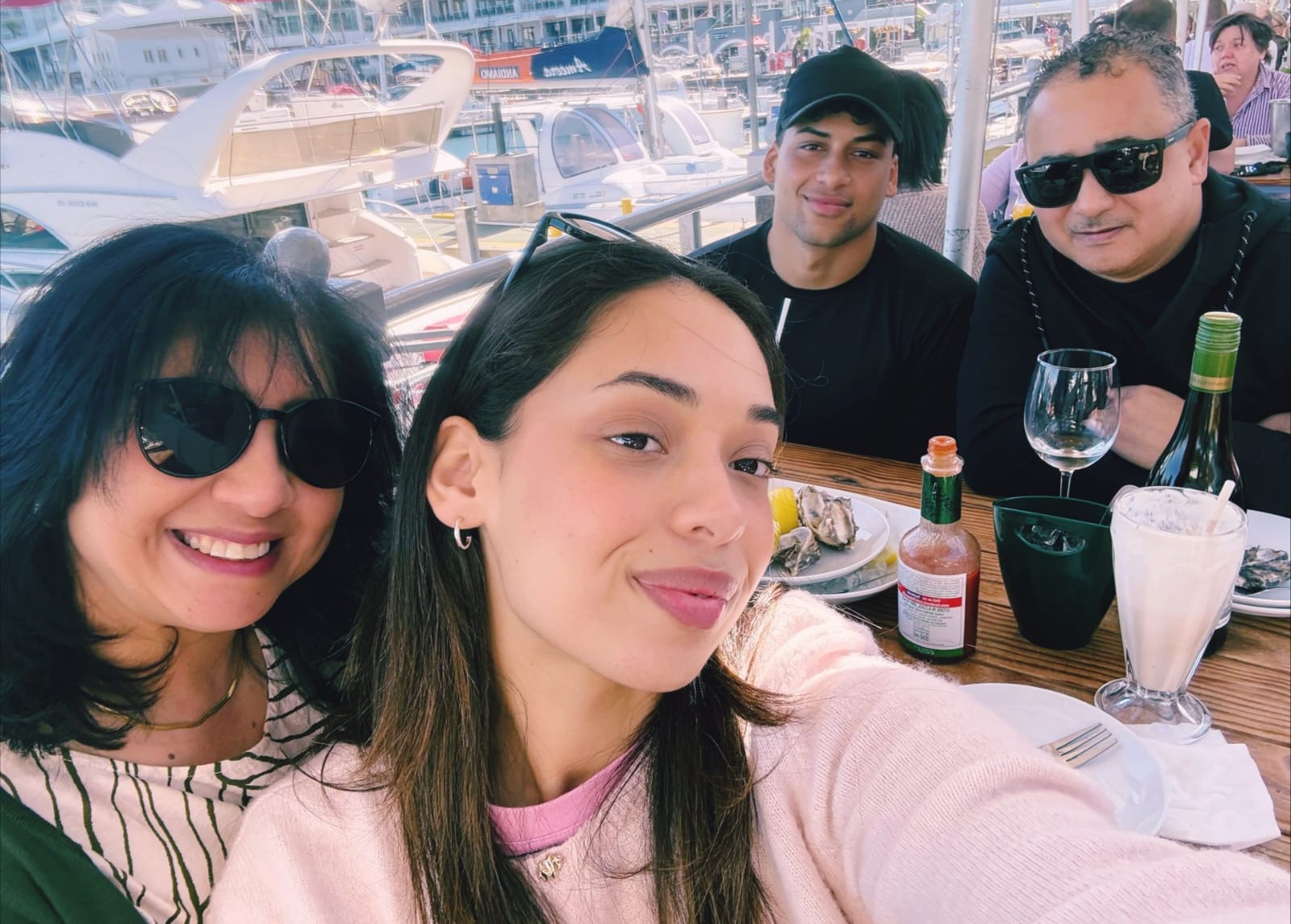
She says her family and faith are important anchors in her life. “My husband Stewart and I were high school sweethearts, and we’ve been together for 35 years and married for 27. We have two adult children. Sydney, my daughter works in the agriculture supply industry, and my son, Storm, has found a niche in the advertising and sales industry.
Taking Olives to the next level
Wendy says the South African Olive industry is almost as old as its wine industry. “The commercial olive tree, from which most table olives and olive oil are produced, is not native to South Africa. It was introduced by European settlers, particularly in the Cape, and is now widely cultivated in the Western Cape.”
South Africa does have its own indigenous olive, the African Wild Olive. This tree is native to South Africa and is actually a close relative of the Mediterranean olive.
According to Wendy the industry produces about 2 million litres of olive oil per year and imports a further 5 million liters.
“As an industry we are hoping to double our production in the next 5 years. I want to add that I am particularly proud of the fact that, in my opinion South African olive oil is light years better than the olive oil we import, and we have the awards to back that up. Some of our producers have found success in overseas markets where our reputation is on the rise.”
“Maar Wendy, hoekom issit so duur?”
“Government has levied a 15% value added tax on olive oil because it is perceived as a niche product that is only for a few. But olive oil is a far superior product compared to refined oils like canola and “vis-olie” as we know it. One of the conversations I am having with government is that getting people to change from refined oils to olive oil will actually reduce the “government’s health bill.”
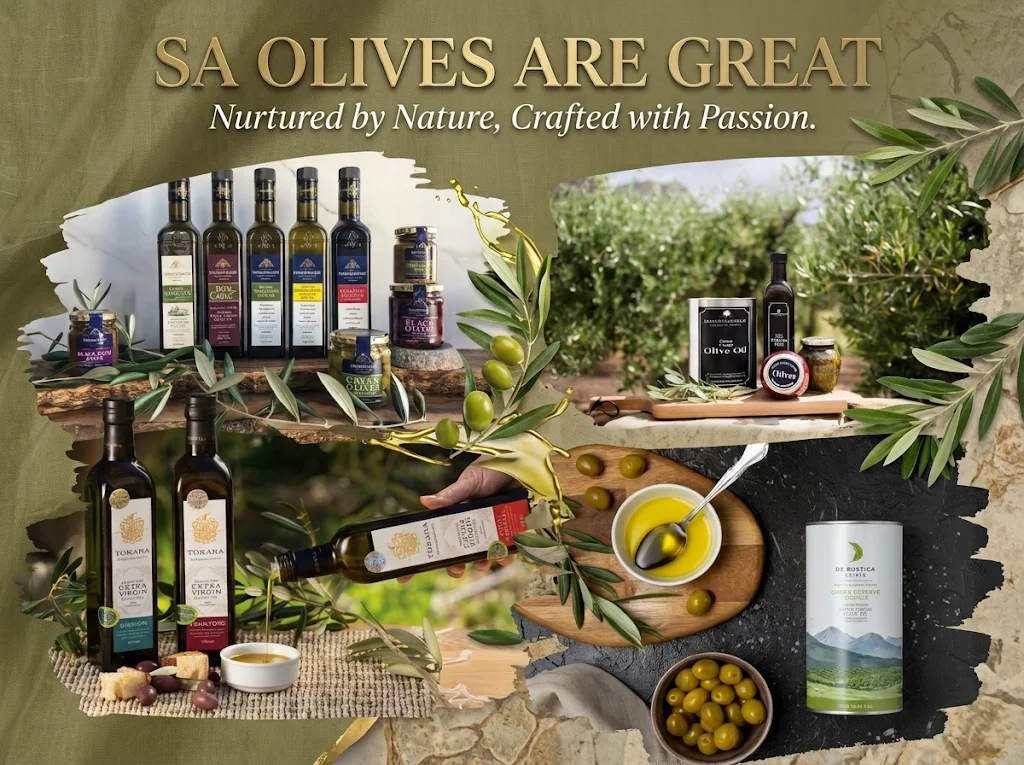
“We have a job to do to change consumer perceptions, and we are looking at strategies and activations to make that happen.”
“I took this job because it ticked a lot of boxes for me in terms of job satisfaction and making a difference. There has been almost no transformation in the olive industry and that is something that I have made a priority on my agenda. There are opportunities for emerging farmers with available land to get into olive farming going with our assistance.
“The other box it ticked for me is the opportunity to engage with international markets and learn from their experience. South Africa has been invited to apply to become a member-state of the International Olive Council and our application is currently under review. The interesting thing is that the impact of climate change in Europe has made producers look south, and when they do, they look at South Africa. So, we don’t see our relationship with Europe as competitive, but rather as collaborative. We are having similar conversations with Australia.”
“There is also a lot more to olives than just olive oil, like beauty and health products, which comes with many exciting opportunities. The wine industry has certain built-in restrictions because of the alcoholic nature of the product, but olives are the poster child for health and wellness in the consumable oil industry. The industry is also very labour intensive, so there are real opportunities for job creation.
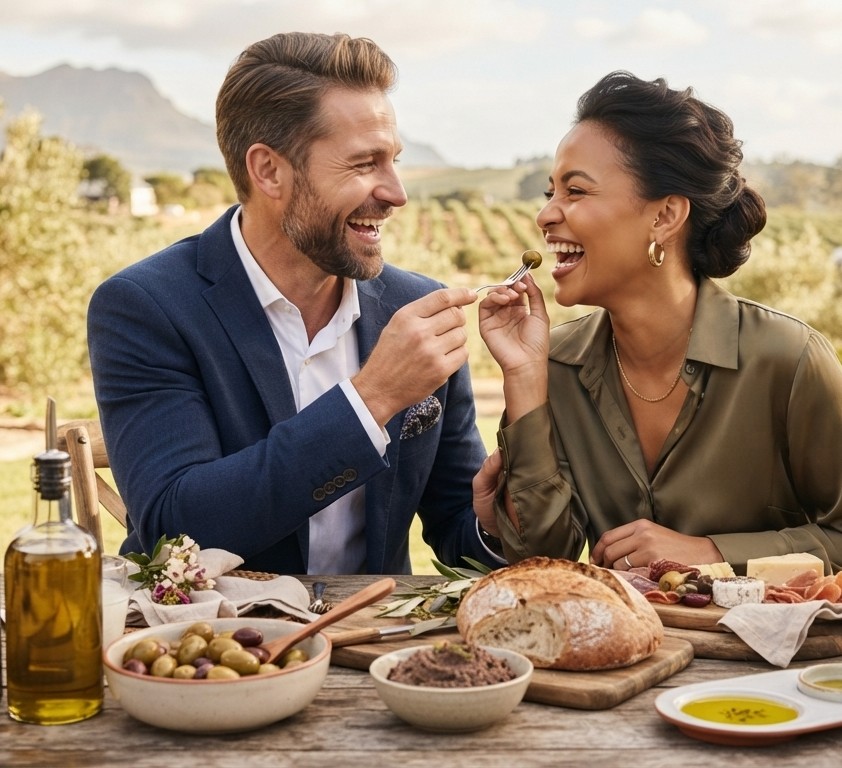
“Our biggest challenge is to change consumer perceptions and because we are funded by statutory levies, our marketing budgets are not what we’d like it to be. But we are making inroads with training institutions in the hospitality arena and festivals etc, trying to change mindsets away from refined oils to our healthier alternative.”