
English continues after the joke.
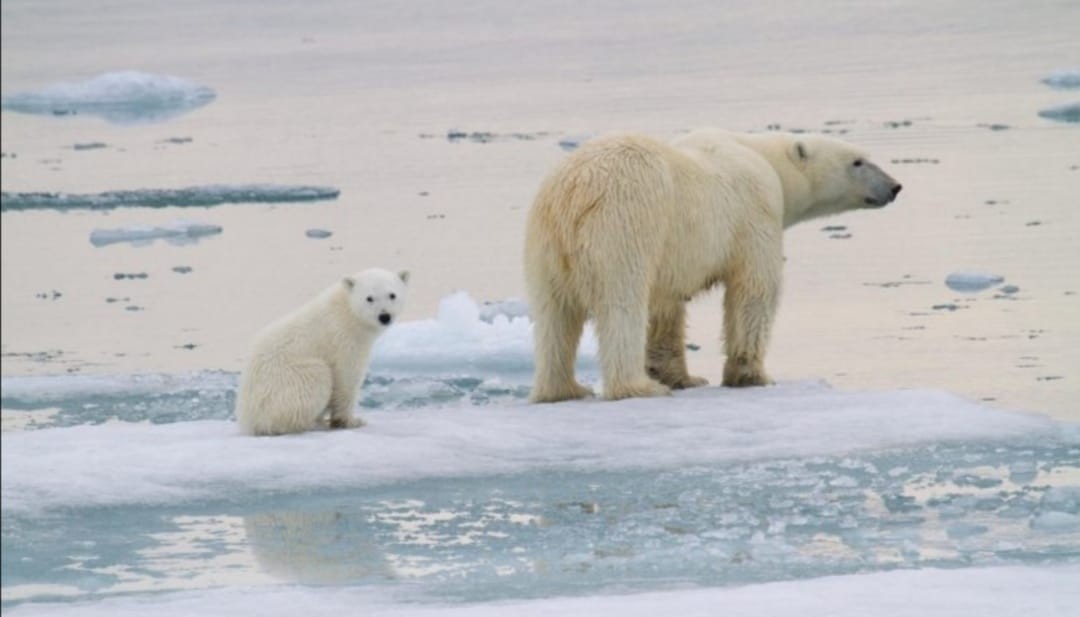
Wanneer ‘n mamma ysbeer geboorte gee, spandeer sy die volgende 3 maande of so, alleen met haar kleintjie onder die ys in haar lêplek.
Dan, op ‘n dag steek sy haar kop uit bo die ys en besluit dat die tyd reg is om die kleinding aan die wêreld voor te stel.
Na 'n paar treë agter sy ma, tik hy haar op haar agterstewe en vra: “Mamma, wat is ek?”
Mamma kyk terug na hom toe en sê: "My liefie, jy's 'n ysbeertjie."
Hulle stap toe verder, en weer, na so ‘n paar treë, tik hy sy Ma weer en vra weer: “Mamma, wat is ek?”
Sy kyk weer om en sê met ‘n glimlag: “My liefste, jy’s mamma se pragtige klein ysbeertjie.”
En so sit hulle hul reis voort in 'n bevrore landskap, met huilende winde en skaars enigiets om te sien behalwe dik sneeu.
Na 'n langer pouse, tik hy weer aan Ma se boude en vra: "Mamma, wat is ek?"
Hierdie keer wip sy haar kop om en gluur, duidelik geïrriteerd, sê sy: "Maar ek het jou nou net twee keer gesê, jy's 'n ysbeer, hoekom vra jy my weer?"
“Want ek kry f*kken koud”, antwoord hy, ewe geïrriteerd.
Seriously Funny
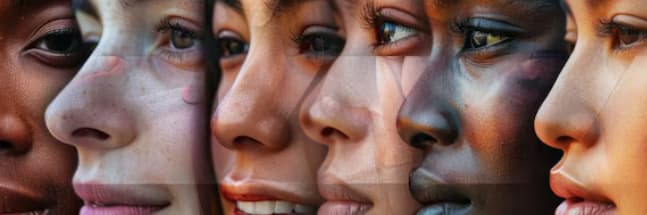
While this little tale is undeniably funny, it has a very serious undertone. Are we to be defined by the environment we were born into? Are we defined by the culture, circumstances, race, skin-colour, politics, education, living conditions, parents, religious institutions, families and all the other influences we were born into?
By our very nature, we are a unique blend of cultural influences which can be traced back to the first recorded encounter between the indigenous First Nation tribes and the mariners from the Portuguese Empire who were defeated by the Khoi at the battle of Salt River in 1510.
These guys were probably at sea for a very long time and whatever happened before, during and after the battle, we can be fairly sure that there were sexual encounters, forced or otherwise, between the sailors and the Khoi women.
We can also be fairly sure that babies were born from those encounters and that the DNA of each and every one of us, now referred to by the K-word (Kleurling), can probably be traced back to those moments.
Throw into the mix interactions with the Bantu tribes with whom the Khoi traded regularly - apparently their trade routes stretched all the way up to modern day Angola - and later arrivals of inhabitants from modern day Malaysia, Indonesia and various European nations, shake the mixture up vigorously with intense generational trauma for over 500 years and hey presto, kyk hoe lyk ons nou!
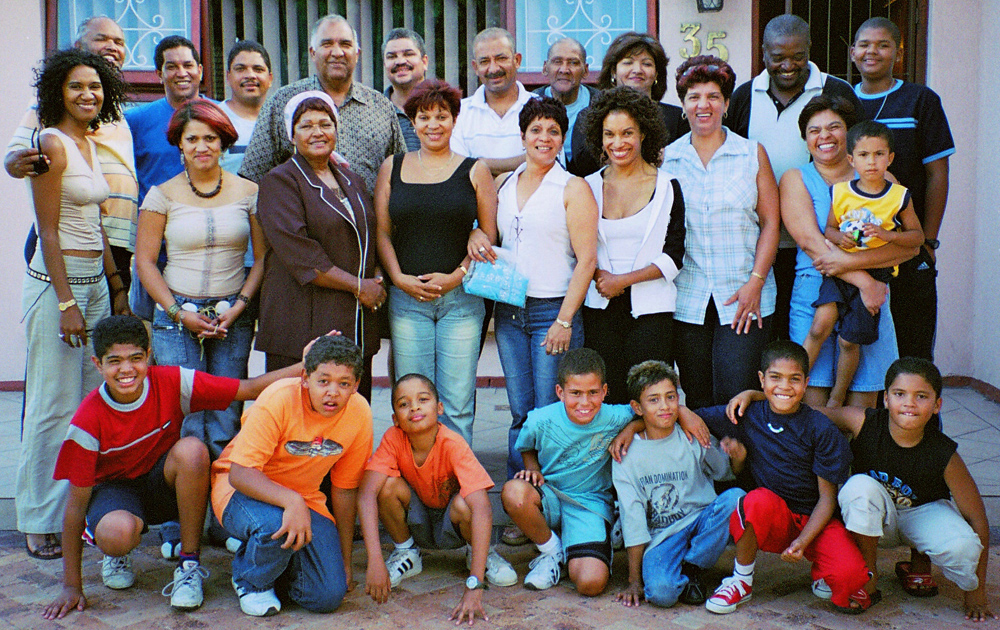
But what does that mean? Who are we really? What is our culture? I’ve asked this question to Afrikaans speaking members of our community, English speakers, relations met kroes hare, gladde hare, lig van kleur, donker van kleur, plaasjaapies, hectic sturwies, uit-tande gangsters and convicts, slams en kris, Joburg and KZN Coloureds, so-called enlightened professors of science, biology, language and theology in high positions at institutions that purport to protect and represent our culture.
I’ve spoken to millionaires in our community who have amassed great wealth despite the challenges of the past, but remain out of the lime-light to avoid scrutiny.
And, the only thing I am absolutely sure of is that not one of us have the right to define who we are collectively, and each and every one of us is absolutely entitled to define ourselves, individually, in whatever way we choose to.
Time to let go
The challenge we now face, is to overcome our inherent differences as a community and embrace our differences fully by supporting each other and recognizing all of ourselves in all of the many different manifestations of our past and present, because we are all beautifully different and unique, but more importantly, we are, without a shadow of a doubt, the same.
Wat dink julle? #BYOH
Leave a comment below.